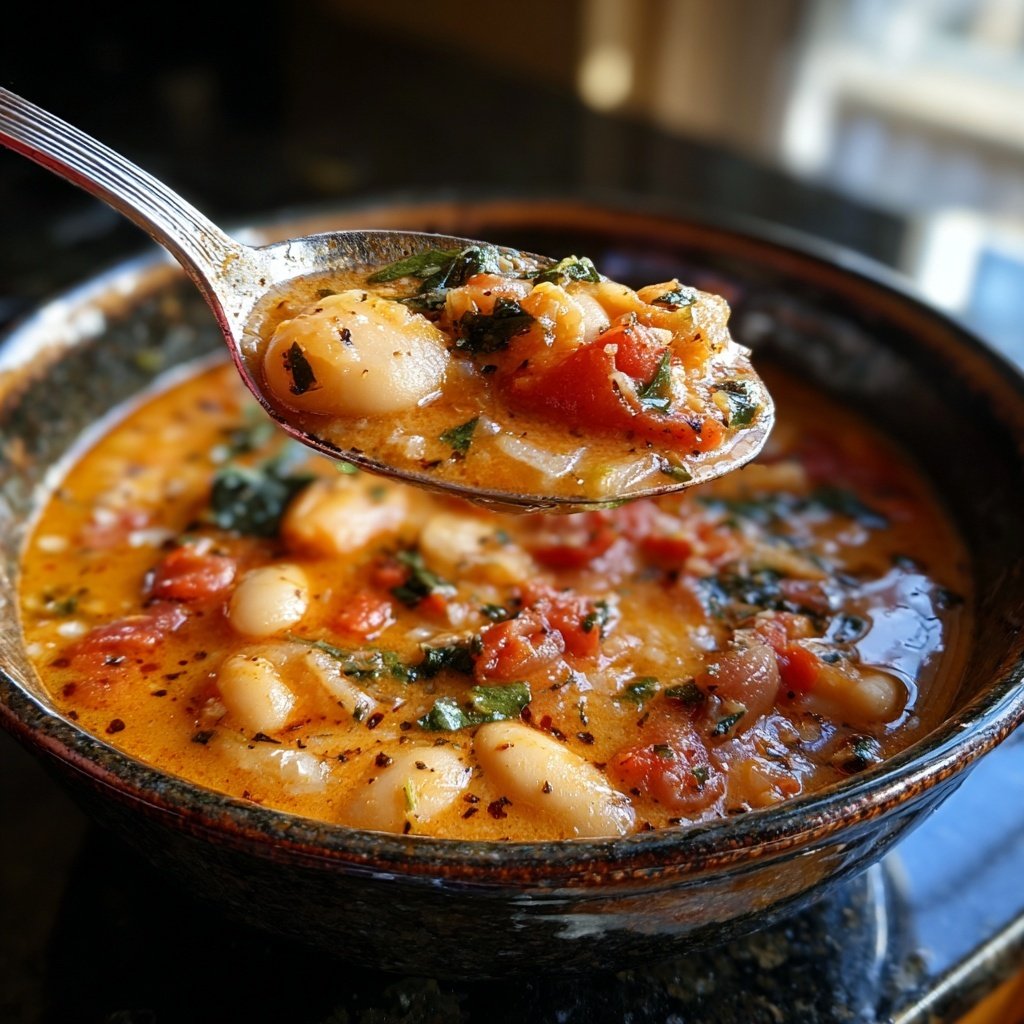
Mediterranean White Bean Stew
Mediterranean White Bean Stew
The Role of Beans in the Stew
The base of this Mediterranean White Bean Stew is, of course, the beans themselves. Cannellini or great northern beans are often preferred for their creamy texture and mild flavor, which absorb the aromatic spices beautifully. When selecting your beans, opt for dried varieties for a richer, more rewarding flavor. Soak them overnight and cook them until tender; this will deepen their taste and create a more harmonious stew. If you're in a pinch, canned beans can be used; just be sure to rinse them to reduce sodium content.
Beans also provide a wealth of nutrition, adding protein and fiber to the dish. When combined with vegetables like tomatoes, spinach, and carrots, they create a hearty meal that feels both satisfying and healthy. Their starchiness helps thicken the stew naturally as it simmers, enhancing the overall mouthfeel. Make sure to cook the beans well – they should be soft but not mushy, adding a pleasant contrast to the tender vegetables.
Flavorful Herbs and Spices
Herbs and spices play a vital role in elevating the flavors of the stew. Fresh herbs, such as parsley and thyme, add brightness and depth, while a hint of smoked paprika can introduce a smoky depth. It's best to add dried herbs earlier in the cooking process to allow their flavors to infuse the broth fully. In contrast, adding fresh herbs toward the end of cooking preserves their vibrant flavors and colors, giving the dish a beautiful finish.
For an extra layer of complexity, consider adding a pinch of red pepper flakes for heat or a touch of lemon juice before serving to balance the richness of the beans. If you want to experiment, fresh basil or oregano can serve as excellent alternatives to traditional Mediterranean herbs. Adjust the quantities based on your preference, and always taste as you go to ensure a harmonious blend of flavors.
Storage and Serving Suggestions
This Mediterranean White Bean Stew can easily be made ahead of time and stored in the refrigerator for up to 4 days. The flavors continue to deepen as it sits, often making it even better on the second day. If storing, let it cool to room temperature before transferring it to an airtight container. To freeze, portion the stew into freezer-safe containers for up to 3 months. Thaw overnight in the fridge before reheating on the stovetop over medium heat until warmed through, adding a splash of broth if it has thickened too much.
Serving this stew can be a delightful experience. Pair it with crusty bread to soak up the flavorful broth, or serve it over cooked grains like quinoa or rice for a heartier meal. A dollop of Greek yogurt or a sprinkle of feta cheese can add creaminess and tang, complementing the rich flavors of the stew. Feel free to top with a drizzle of good olive oil for an extra touch of luxury.
Common Troubleshooting Tips
One common issue when making bean stews is that the beans might not cook evenly. This can happen if they are old or improperly soaked. Always ensure that your dried beans are fresh, ideally purchased within the last year. Also, soaking them for at least 8 hours before cooking helps hydrate them enough for even cooking. If your stew seems too thick after cooking, adding a little vegetable broth or water while stirring can help achieve your desired consistency.
If you find your stew lacking flavor, consider adjusting the seasoning. Sometimes, adding salt too early can prevent beans from softening adequately. It's best to wait until the beans are tender before adding salt, which can enhance their flavor significantly. A splash of vinegar or lemon juice just before serving can also brighten the overall taste.
Ingredient Variations
While the traditional recipe calls for specific beans and vegetables, you can easily customize this stew to your liking. For instance, chickpeas can be a delightful swap for beans, offering a different texture and flavor profile. Additional vegetables like zucchini or bell peppers can be thrown into the mix for more color and nutrients. Just keep in mind that different vegetables may have different cooking times, so add them accordingly to ensure they remain firm yet tender.
For a heartier meal, consider including grains such as farro or barley into the stew. Cook them separately and stir them in just before serving to give an interesting chew and nutty flavor. This also boosts the nutritional profile by adding more fiber and protein. Experimenting with different ingredient combinations can keep this recipe fresh and exciting!
Scaling the Recipe
If you want to adjust the portion sizes, scaling this stew up or down is straightforward. For a smaller batch, simply halve the ingredient quantities, and for larger gatherings, you can double them without losing the essence of the dish. Just be mindful to adjust the cooking time slightly longer for larger quantities as the stew may need extra simmering to ensure that everything heats through and the flavors meld beautifully.
When scaling, also consider your cooking pot size. A larger batch will require a bigger pot or even a slow cooker for consistent cooking. This also helps when you have lingering ingredients; a doubled recipe is a great way to reduce waste while enjoying a comforting meal the next day!