Korean Bibimbap
Highlighted under: Local Kitchen
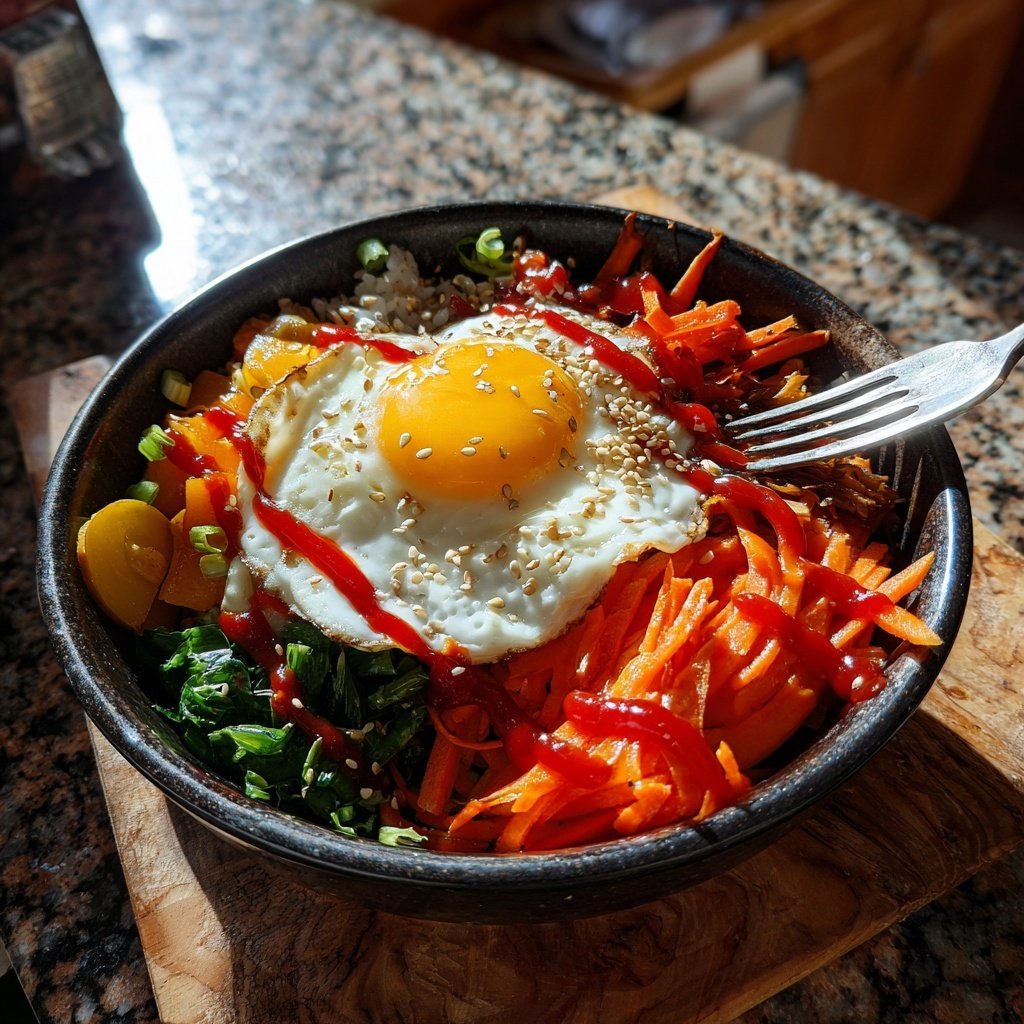
Korean Bibimbap is a vibrant and flavorful dish, perfect for any meal of the day. Packed with fresh vegetables, protein, and served over rice, it's a complete dish that delights the senses.
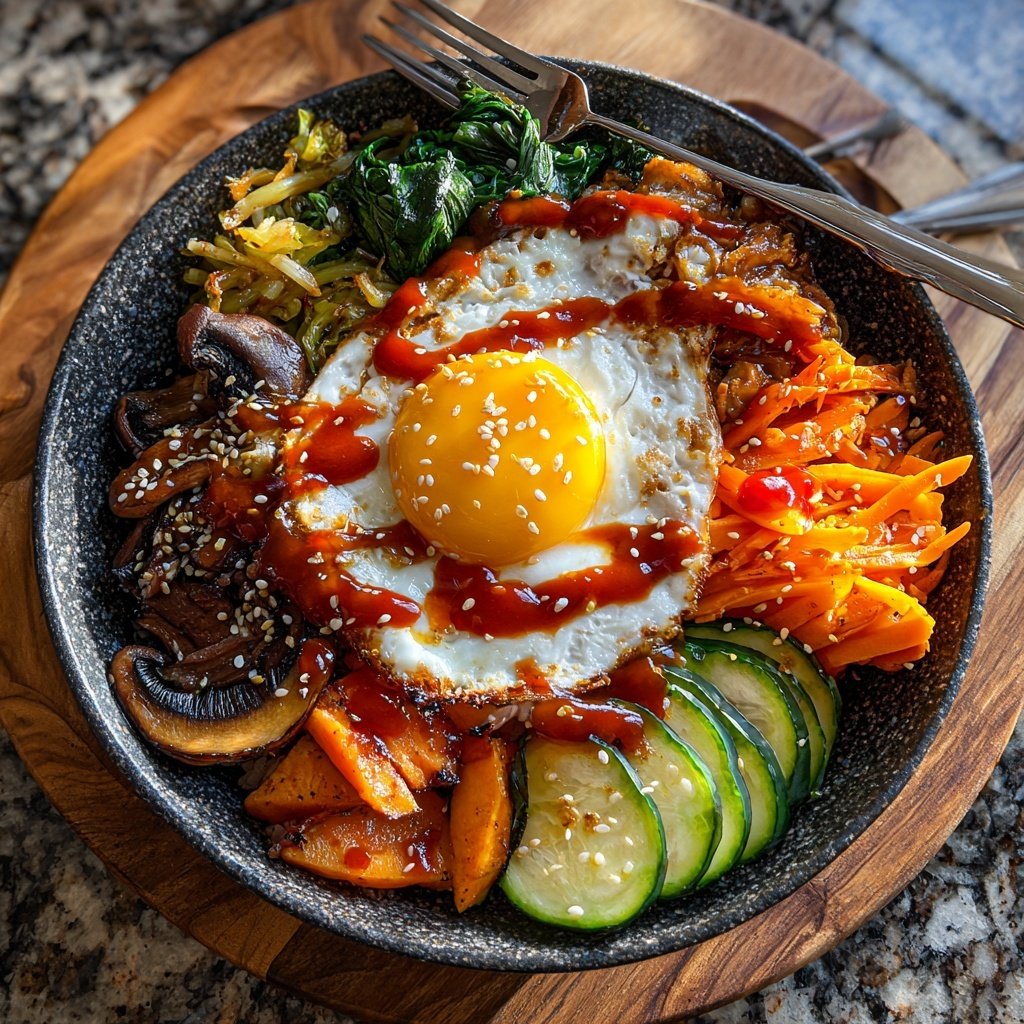
Korean Bibimbap is not just a meal; it's an experience. With its colorful array of vegetables and flavors, each bite is a burst of freshness and satisfaction. This traditional dish is often topped with a sunny-side-up egg, adding a rich creaminess that elevates the entire experience.
Why You'll Love This Recipe
- A colorful and nutritious meal that’s visually stunning
- Versatile ingredients that can be customized to your taste
- Balanced flavors with a spicy kick from gochujang
The Origin of Bibimbap
Bibimbap is a traditional Korean dish that translates to 'mixed rice.' Its roots can be traced back to ancient Korean customs where leftover ingredients were combined with rice to create a nourishing meal. This dish is not only a staple in Korean households but also a popular choice in restaurants worldwide, celebrated for its vibrant colors and wholesome ingredients.
Typically served in a hot stone bowl, bibimbap is a meal that showcases the harmony of flavors and textures, from the crunch of fresh vegetables to the creaminess of the egg yolk. Each component is carefully prepared to retain its individuality while contributing to the overall dish, making each bite a delightful experience.
Nutritional Benefits
Korean bibimbap is not just a feast for the eyes; it's also packed with nutrients. The array of vegetables used in bibimbap, such as spinach, carrots, and zucchini, provide essential vitamins and minerals, promoting a balanced diet. The inclusion of protein from eggs or meat enhances its nutritional profile, making it a fulfilling meal for any time of the day.
Furthermore, the use of gochujang adds not only a spicy kick but also health benefits. Gochujang is rich in antioxidants, and its fermentation process contributes to gut health. When combined with the wholesome ingredients of bibimbap, it creates a balanced dish that supports overall well-being.
Customizing Your Bibimbap
One of the best things about bibimbap is its versatility. You can easily customize the ingredients based on your preferences or seasonal availability. For example, if you want more protein, consider adding grilled chicken, beef, or tofu. You can also switch up the vegetables; mushrooms, bell peppers, or radishes can bring different flavors and textures to your bowl.
Don't be afraid to experiment with the toppings as well. While gochujang is traditional, you can adjust the spice level to suit your taste. Adding a sprinkle of chopped green onions or a drizzle of chili oil can elevate the dish further. Each variation allows you to enjoy bibimbap in new ways, making it a dish you'll never tire of.
Ingredients
Gather all the fresh ingredients for your Bibimbap.
Bibimbap Ingredients
- 2 cups cooked white or brown rice
- 1 cup spinach, blanched
- 1 cup carrots, julienned
- 1 cup zucchini, julienned
- 1 cup bean sprouts, blanched
- 2 eggs
- 4 tablespoons gochujang (Korean chili paste)
- 2 tablespoons sesame oil
- 1 tablespoon soy sauce
- 1 teaspoon sesame seeds
- Salt to taste
Feel free to mix and match your favorite vegetables!
Instructions
Follow these steps to create your delicious Bibimbap.
Prepare the Vegetables
In a pan, heat 1 tablespoon of sesame oil over medium heat. Sauté the carrots and zucchini separately until tender. Season with a pinch of salt.
Cook the Eggs
In a separate pan, fry the eggs sunny-side up, ensuring the yolks remain runny.
Assemble the Bibimbap
In a bowl, place the cooked rice as the base. Arrange the sautéed vegetables, blanched spinach, and bean sprouts on top of the rice.
Add the Finishing Touches
Top with the fried egg and drizzle with gochujang and soy sauce. Sprinkle sesame seeds over the top.
Serve and Enjoy
Mix everything together before eating to enjoy the harmonious blend of flavors.
Serve your Bibimbap warm, and enjoy the delightful mix of textures and flavors!
Pro Tips
- Feel free to add protein such as beef or tofu for extra heartiness.
Tips for Perfect Bibimbap
To achieve the best texture in your bibimbap, make sure to sauté the vegetables separately. This method ensures that each vegetable retains its unique flavor and crunch, preventing them from becoming soggy when mixed with the rice. Additionally, using a hot stone bowl can enhance the dish by keeping it warm longer and creating a delightful crispy rice layer at the bottom.
When cooking the eggs, aim for sunny-side up with a runny yolk. This adds creaminess to the dish and binds the ingredients together when mixed. If you prefer a different style, a soft-boiled egg can also work beautifully, offering a similar effect.
Serving Suggestions
Bibimbap is best served immediately after assembly to enjoy the freshness of the ingredients. Pair it with a side of kimchi for an authentic Korean experience. The tangy and spicy flavor of kimchi complements the mildness of the bibimbap, creating a well-rounded meal.
For a complete dining experience, consider serving a refreshing cucumber salad or a hot bowl of miso soup alongside your bibimbap. These sides can enhance the overall flavor profile and provide a lovely contrast to the rich, hearty nature of the dish.
Questions About Recipes
→ Can I use brown rice instead of white rice?
Yes, brown rice is a healthier option and works well in Bibimbap.
→ What if I can't find gochujang?
You can substitute it with another chili paste, but the flavor will differ.
→ Can I make this dish vegetarian?
Absolutely! Just omit the eggs or use a plant-based alternative.
→ How can I store leftovers?
Store leftovers in an airtight container in the fridge for up to two days.
Korean Bibimbap
Created by: Primrose Cavendish
Recipe Type: Local Kitchen
Skill Level: Intermediate
Final Quantity: 2 servings
What You'll Need
Bibimbap Ingredients
- 2 cups cooked white or brown rice
- 1 cup spinach, blanched
- 1 cup carrots, julienned
- 1 cup zucchini, julienned
- 1 cup bean sprouts, blanched
- 2 eggs
- 4 tablespoons gochujang (Korean chili paste)
- 2 tablespoons sesame oil
- 1 tablespoon soy sauce
- 1 teaspoon sesame seeds
- Salt to taste
How-To Steps
In a pan, heat 1 tablespoon of sesame oil over medium heat. Sauté the carrots and zucchini separately until tender. Season with a pinch of salt.
In a separate pan, fry the eggs sunny-side up, ensuring the yolks remain runny.
In a bowl, place the cooked rice as the base. Arrange the sautéed vegetables, blanched spinach, and bean sprouts on top of the rice.
Top with the fried egg and drizzle with gochujang and soy sauce. Sprinkle sesame seeds over the top.
Mix everything together before eating to enjoy the harmonious blend of flavors.
Extra Tips
- Feel free to add protein such as beef or tofu for extra heartiness.
Nutritional Breakdown (Per Serving)
- Calories: 500 kcal
- Total Fat: 20g
- Saturated Fat: 4g
- Cholesterol: 186mg
- Sodium: 700mg
- Total Carbohydrates: 65g
- Dietary Fiber: 5g
- Sugars: 4g
- Protein: 18g