Buttery Croissant Recipes At Home
Highlighted under: Modern Kitchen
I absolutely love the flaky texture and rich flavor of homemade buttery croissants. After countless attempts in my kitchen, I've finally mastered a recipe that captures all the charm of a French bakery. The process is not as daunting as it seems, and with a little patience, you can create these delectable pastries right at home. Each bite melts in your mouth, making it a treat for breakfast or a delightful afternoon snack. Trust me, the aroma wafting through your kitchen will have everyone asking for more!
When I first tried making croissants, I was overwhelmed by the idea of lamination – the process of folding butter into dough. But I approached it like folding a letter, which made the task feel more manageable. The key tip I learned was to keep both the dough and butter chilled for optimal layering. Each time I pulled the golden, flaky croissants out of the oven, the smell alone transported me back to Paris.
I've experimented with various fillings, from chocolate to almond paste, and they never disappoint. The method allows for versatility, so don’t hesitate to get creative! Plus, I’ve found that letting the dough rest longer enhances the flavor and texture, making every batch a showstopper.
Why You'll Love This Recipe
- The unmistakable flaky crust that delivers a satisfying crunch
- A buttery flavor that invokes the essence of French bakeries
- Perfect for brunch gatherings or as a comforting weekday treat
Mastering the Lamination Technique
Laminating the dough is crucial for achieving that signature flaky texture. When rolling out the dough, you want to apply even pressure, ensuring the layers of butter are distributed consistently. If the butter starts to soften during this process, pop the dough back in the fridge for 10-15 minutes. This will make it easier to roll and help maintain those beautiful layers that create the croissant's airy structure.
Each fold in the lamination process adds more layers—essentially creating a 'book' of dough and butter. This technique of folding and rolling should be repeated at least three times, allowing ample rest between each session. The more you engage in this process, the flakier and more complex the final pastry will become. My tip: always use cold butter and work in a cool environment to keep that perfect consistency.
Using Quality Ingredients
The ingredients in your croissant dough directly impact its flavor and texture. Opt for high-quality, cold unsalted butter; the richer the butter, the better the taste. Quality all-purpose flour is essential, too—it contributes to the dough's structure and elasticity. If you're looking for a richer flavor, you can substitute a portion of the all-purpose flour with bread flour, which has a higher protein content and creates a sturdier dough.
Additionally, using fresh yeast is vital for the dough's rise. If you only have active dry yeast on hand, simply activate it in the warm milk before adding it to the flour mixture. The right balance of salt raises the flavor profile, so don’t skimp on it; it also works to strengthen the gluten structure in the dough.
Ingredients
Dough
- 4 cups all-purpose flour
- 1/4 cup granulated sugar
- 2 teaspoons salt
- 1 tablespoon instant yeast
- 1 1/2 cups cold unsalted butter
- 1 cup warm milk (about 110°F)
- 1 large egg (for egg wash)
Ensure all ingredients are at the right temperature for best results.
Steps
Prepare the Dough
In a large mixing bowl, combine flour, sugar, salt, and yeast. Add warm milk and mix until a dough forms. Knead briefly until smooth, then cover and let it rest in the fridge for 30 minutes.
Incorporate Butter
Take the cold butter and pound it into a flat rectangle between two sheets of parchment paper. Fold the chilled dough around the butter to encase it completely.
Laminating the Dough
Roll the dough out into a large rectangle, then fold it into thirds like a letter. Chill for 30 minutes, then repeat the rolling and folding process two more times.
Shape the Croissants
Roll the dough into a large rectangle. Cut triangles and roll each triangle from the wide end to the point. Place on a lined baking sheet.
Final Rise and Bake
Let the shaped croissants rise in a warm place until doubled in size. Preheat your oven to 400°F. Brush with egg wash and bake for 15–20 minutes or until golden brown.
Once baked, let the croissants cool slightly before serving to enhance the flavor.
Pro Tips
- For extra flaky croissants, ensure your butter is very cold and handle the dough as little as possible during shaping.
Make-Ahead and Storage Tips
Preparing croissant dough ahead of time is entirely feasible. Once you have completed the lamination process, wrap the dough tightly in plastic wrap and refrigerate it for up to three days. This resting period enhances the flavor, giving it a more developed taste. When you’re ready to bake, simply roll and shape the croissants right before the final rise.
If you've shaped your croissants but aren't ready to bake, you can freeze them after shaping. Place the unbaked croissants on a lined baking sheet in the freezer until solid, then transfer them to a freezer bag. They can be frozen for up to two months. To bake, just take them straight from the freezer, allow them to rise in a warm spot, and then bake as instructed.
Troubleshooting Common Issues
If your croissants turn out dense or do not rise sufficiently, it could be due to the yeast not activating properly. Always ensure the milk is warm but not hot—around 110°F is ideal. If it’s too hot, it can kill the yeast. Additionally, ensure that you’re allowing enough time for each rise; rushing this step can impact texture.
Should you find that your croissants spread too much during baking, check your butter temperature. Cold butter prevents the layers from melting together too soon. Another common issue is baking time; always watch for that beautiful golden brown color and adjust the time depending on your oven, as each one varies.
Questions About Recipes
→ Can I freeze the croissant dough?
Yes! You can freeze shaped croissants before the final rise. Just thaw and let them rise before baking.
→ What is the best way to store leftover croissants?
Store them in an airtight container at room temperature for up to 2 days. For longer storage, freeze them.
→ Are these croissants made with yeast?
Yes, the recipe uses instant yeast for leavening, which gives the croissants their airy texture.
→ Can I use whole wheat flour?
You can substitute half of the all-purpose flour with whole wheat, but it may change the texture slightly.

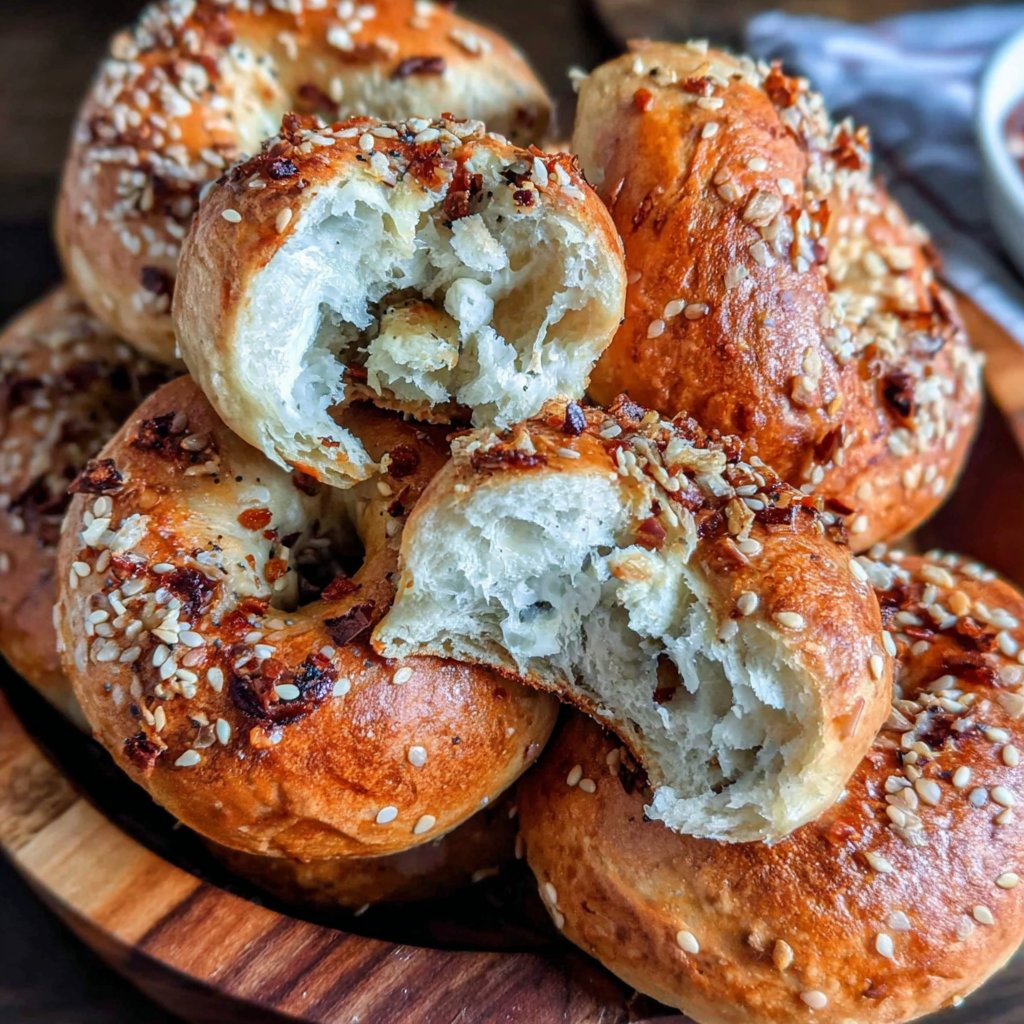
Buttery Croissant Recipes At Home
Created by: Primrose Cavendish
Recipe Type: Modern Kitchen
Skill Level: Intermediate
Final Quantity: 12 croissants
What You'll Need
Dough
- 4 cups all-purpose flour
- 1/4 cup granulated sugar
- 2 teaspoons salt
- 1 tablespoon instant yeast
- 1 1/2 cups cold unsalted butter
- 1 cup warm milk (about 110°F)
- 1 large egg (for egg wash)
How-To Steps
In a large mixing bowl, combine flour, sugar, salt, and yeast. Add warm milk and mix until a dough forms. Knead briefly until smooth, then cover and let it rest in the fridge for 30 minutes.
Take the cold butter and pound it into a flat rectangle between two sheets of parchment paper. Fold the chilled dough around the butter to encase it completely.
Roll the dough out into a large rectangle, then fold it into thirds like a letter. Chill for 30 minutes, then repeat the rolling and folding process two more times.
Roll the dough into a large rectangle. Cut triangles and roll each triangle from the wide end to the point. Place on a lined baking sheet.
Let the shaped croissants rise in a warm place until doubled in size. Preheat your oven to 400°F. Brush with egg wash and bake for 15–20 minutes or until golden brown.
Extra Tips
- For extra flaky croissants, ensure your butter is very cold and handle the dough as little as possible during shaping.
Nutritional Breakdown (Per Serving)
- Calories: 250 kcal
- Total Fat: 14g
- Saturated Fat: 8g
- Cholesterol: 45mg
- Sodium: 190mg
- Total Carbohydrates: 29g
- Dietary Fiber: 1g
- Sugars: 5g
- Protein: 5g